
Exploring Alternative Treatments for Pain Management
Pain, whether chronic or acute, can significantly impact daily life and overall well-being. While conventional treatments like pain medications and physical therapy are widely used, many individuals seek alternative approaches for pain relief. This blog post explores various alternative treatments that can complement or serve as alternatives to traditional methods for managing pain.
Acupuncture
Acupuncture, rooted in traditional Chinese medicine, involves inserting thin needles into specific points on the body. It’s believed to stimulate the body’s natural painkillers and improve energy flow. Research suggests acupuncture can be effective in treating conditions such as back pain, osteoarthritis, and migraines by reducing pain and inflammation.
Yoga and Tai Chi
Yoga and Tai Chi are ancient practices that combine physical postures, breathing exercises, and meditation. Both practices promote relaxation, improve flexibility and strength, and reduce stress. Studies indicate that yoga and Tai Chi can alleviate chronic pain conditions such as lower back pain, fibromyalgia, and arthritis, while also enhancing overall well-being.
Herbal Remedies
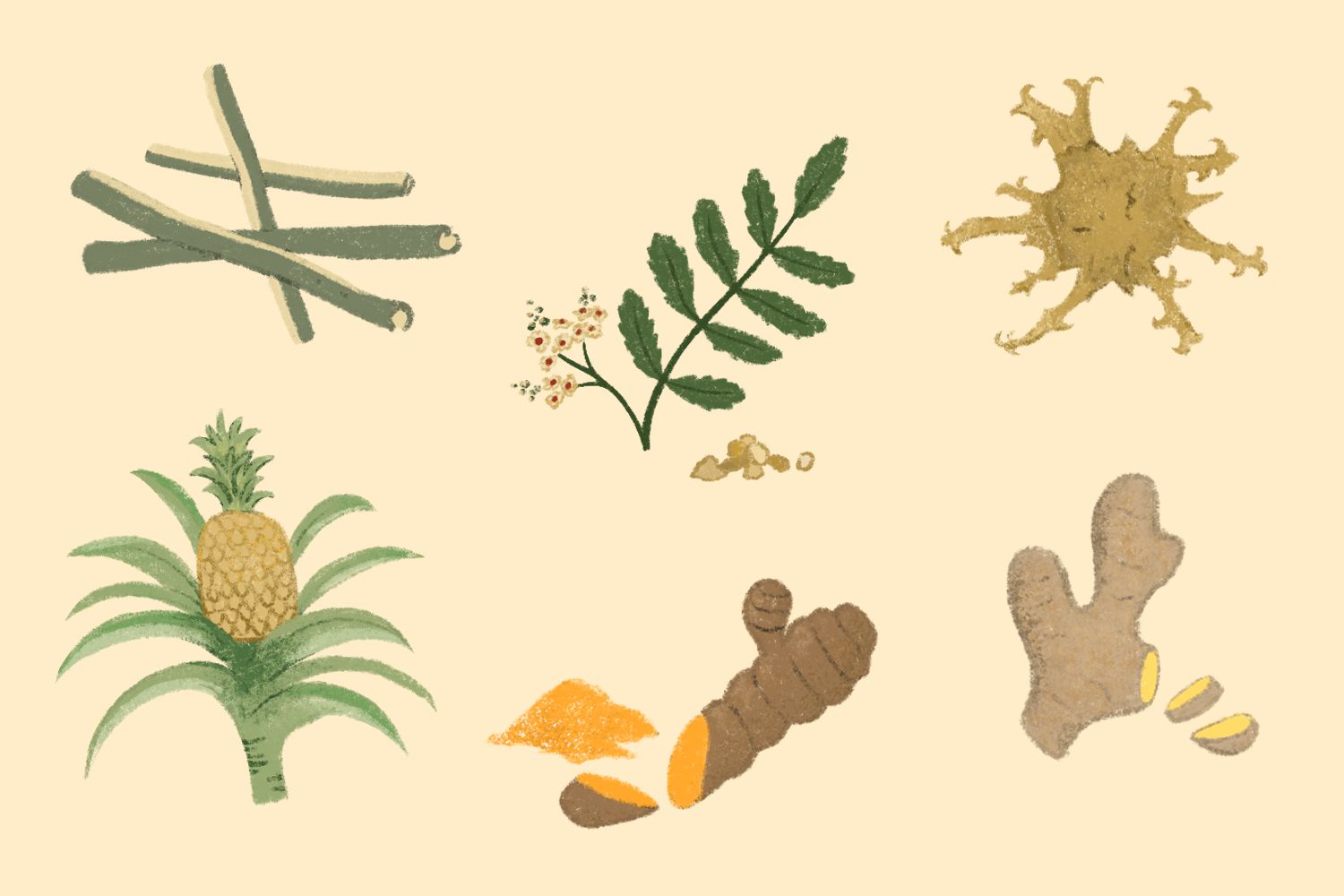
Herbal remedies have been used for centuries to treat various ailments, including pain. Examples include:
- Turmeric: Contains curcumin, known for its anti-inflammatory properties.
- Ginger: Reduces inflammation and may alleviate muscle pain.
- Devil’s Claw: Used to relieve arthritis and lower back pain.
- White Willow Bark: Contains salicin, similar to aspirin, for pain relief.
Herbal supplements can be taken as teas, capsules, or extracts and should be used under the guidance of a healthcare provider.
Massage Therapy
Massage therapy involves manipulating muscles and soft tissues to reduce tension and improve circulation. It’s beneficial for managing chronic pain conditions such as neck and back pain, fibromyalgia, and arthritis. Massage promotes relaxation, enhances mood, and may help alleviate pain through increased blood flow and release of endorphins.
Mind-Body Techniques
Mind-body techniques like meditation, mindfulness, and biofeedback focus on enhancing the mind’s ability to control pain perception and stress responses. These practices promote relaxation, reduce muscle tension, and improve overall well-being, making them effective complements to traditional pain management strategies.
Chiropractic Care
Chiropractic care involves manual adjustments of the spine and joints to relieve pain and improve function. It’s commonly used for conditions such as back pain, neck pain, and headaches. Chiropractors also provide advice on posture, ergonomics, and exercises to support long-term pain relief and prevention.
Cannabinoids
Cannabinoids, derived from the cannabis plant, have gained attention for their potential pain-relieving properties. Cannabidiol (CBD) and tetrahydrocannabinol (THC) interact with the body’s endocannabinoid system, which regulates pain, inflammation, and other functions. Medical cannabis is increasingly used to manage chronic pain conditions, offering an alternative to traditional pain medications.
Integrative Approach
For many individuals, a combination of conventional and alternative treatments offers the most effective approach to pain management. Integrative medicine combines evidence-based conventional therapies with alternative treatments to address the physical, emotional, and psychological aspects of pain.
Exploring alternative treatment for pain management provides individuals with a range of options beyond traditional pharmaceuticals and surgeries. Whether through acupuncture, herbal remedies, massage therapy, or mind-body techniques, these approaches offer holistic ways to alleviate pain, improve quality of life, and support overall well-being. Consulting with healthcare providers knowledgeable in integrative medicine can help individuals navigate these options and find a personalized approach to managing their pain effectively.
Navigating Medical Cannabis Pharmacies in NSW
Navigating the landscape of medical cannabis in New South Wales (NSW) involves understanding the role of specialized pharmacies in providing access to therapeutic cannabis products. These pharmacies play a crucial role in dispensing cannabis-based medications to patients with valid prescriptions.
Services Offered: Medical cannabis pharmacies in NSW provide a range of services, including consultation with healthcare professionals who specialize in cannabinoid therapies. They offer guidance on product selection, dosage, and usage, tailored to individual patient needs.
Product Variety: These pharmacies stock a variety of medical cannabis products, such as oils, capsules, and topical creams, each formulated to address different medical conditions, including chronic pain, epilepsy, and anxiety.
Legal Compliance: Operating under stringent regulations, these pharmacies ensure the safety and quality of products, adhering to NSW and Australian laws governing medical cannabis.
Accessibility: Patients can access these pharmacies through referrals from healthcare providers or specialized medical cannabis clinics, ensuring they receive comprehensive care and support throughout their treatment journey.